Is That Quick, Sharp Pain When You Chew Coming From a Crack?
A cracked tooth often hides in plain sight. You might feel a jolt when you bite down on something crunchy, a twinge when you let go, or a zing from cold water, and then nothing at all for hours. At Laguna View Family Dental in Elk Grove, CA , we find small cracks early and protect the tooth before the crack spreads, so you can chew comfortably again and avoid a much bigger repair later. If you’re searching for a cracked tooth dentist near me in Elk Grove, we’re here to help.
Request an AppointmentWhat Is a Cracked Tooth?
A cracked tooth is a tooth with a fracture line running through the enamel and sometimes into the dentin, pulp or root. Cracks are common in adults, especially in back molars that take the most chewing force. Because many cracks are too thin to see, the first sign is usually pain when biting or releasing, sensitivity to hot or cold, or discomfort that comes and goes. Treatment depends on how deep the crack goes, and catching it early gives you the most options for saving the tooth.
What Are the Signs of a Cracked Tooth?
Cracked tooth symptoms can be confusing because they don’t always show up the same way twice. Common warning signs include:
- Sharp pain when you bite down, or a sudden twinge when you release your bite
- Pain that comes and goes rather than a constant ache
- New sensitivity to cold drinks, hot foods or sweets (see our page on tooth sensitivity)
- Swelling of the gum around one tooth
- A rough edge or visible line you can feel with your tongue
- A toothache that is hard to pin to one specific tooth
If any of these sound familiar, it’s worth having the tooth checked even if the pain fades. Cracks don’t heal on their own, and they tend to grow over time.
What Causes Teeth to Crack?
Most cracks come from everyday stress building up on a tooth over years. Some of the most common causes we see in Elk Grove patients are:
- Clenching and grinding. Nighttime teeth grinding puts enormous pressure on molars and is one of the leading causes of cracks.
- Large or old fillings. A tooth with a big filling has less natural structure left to support it, which makes it more likely to fracture.
- Chewing hard objects. Ice, popcorn kernels, hard candy and pens are frequent culprits.
- Sports injuries and accidents. A blow to the face can crack or chip a tooth, which is why we recommend custom mouth guards for kids and teens in contact sports.
- Sudden temperature changes. Going from hot coffee to ice water can stress enamel.
- Age. Cracks become more common after age 50 as teeth absorb decades of chewing forces.
What Types of Tooth Cracks Are There?
Craze Lines
Tiny surface lines in the enamel that are usually painless and harmless. They are mostly a cosmetic concern.
Fractured Cusp
A piece of a chewing surface breaks off, often around a filling. These usually don’t reach the nerve and can typically be repaired with a crown.
Cracked Tooth
A crack that runs from the chewing surface down toward the root. Early treatment is key to keeping the crack from spreading below the gumline.
Split Tooth
A crack that has traveled all the way through, dividing the tooth into separate pieces. Part of the tooth can sometimes be saved, but not always.
Vertical Root Fracture
A crack that starts in the root and moves upward. These often cause few symptoms until the surrounding bone and gum become infected.
How Do We Diagnose a Cracked Tooth?
Finding a crack takes careful detective work. During your exam, we ask when the pain happens, look closely at the tooth under bright light, and may have you bite on a special tool to pinpoint which cusp hurts. Digital X-rays help us check the nerve, root and surrounding bone, though hairline cracks don’t always show up on film. Tools like DIAGNOdent help us look for decay that might be weakening the tooth alongside the crack. Regular cleanings and exams give us the chance to spot early cracks before they start to hurt.
How Is a Cracked Tooth Treated?
The right treatment depends on where the crack is and how deep it goes. As part of our restorative dentistry care, options may include:
- Bonding or a filling for small cracks and chips that stay in the enamel. Tooth-colored fillings blend in with your natural smile.
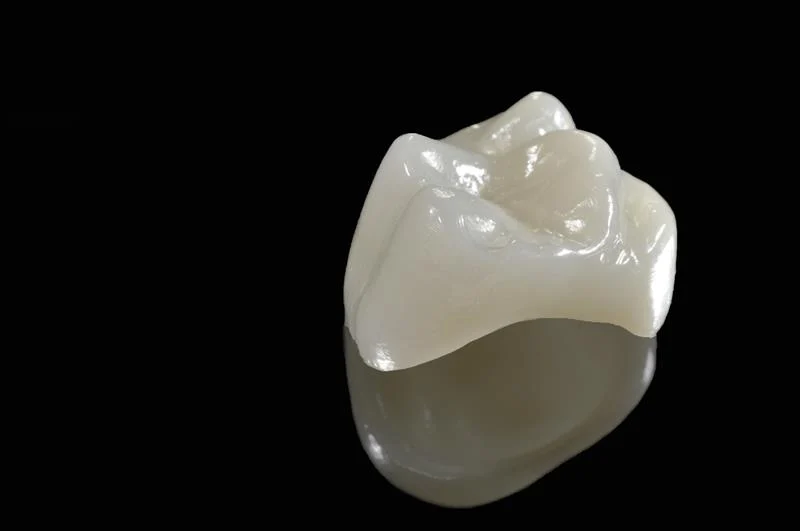
- A crown to hold the tooth together and keep the crack from spreading. Porcelain crowns are the most common repair for cracked molars and fractured cusps.
- Root canal treatment if the crack has reached the nerve, followed by a crown to protect what remains of the tooth.
- Extraction and replacement if the tooth is split or the crack runs deep into the root. We’ll walk you through replacement options such as dental implants or a dental bridge.
Nervous about the numbing shot? We use DentalVibe® to make injections far more comfortable, so you can get the repair you need without dreading the visit.
What Can You Do Until Your Appointment?
If you think you’ve cracked a tooth, chew on the other side of your mouth, avoid very hot, cold or hard foods, and rinse with warm water to keep the area clean. An over-the-counter pain reliever and a cold compress on the cheek can help with discomfort and swelling. Then call us at (916) 683-1335 so we can see you as soon as possible.
Can You Prevent Cracked Teeth?
You can lower your risk with a few simple habits:
- Wear a night guard if you clench or grind your teeth
- Wear a mouth guard for sports
- Skip chewing ice, pens and hard candy
- Replace large, aging fillings before they fail
- Keep up with checkups every six months so we can catch small cracks early
Families throughout Elk Grove and nearby communities like Sacramento and Galt trust us for gentle, practical care. Want to learn about other problems we help with? Visit our conditions we treat page, or check our insurance and financing options before your visit.
Cracked Tooth Questions Patients Ask Us
How do I know if my tooth is cracked?
The most common sign is sharp pain when you bite down or release your bite, especially on one specific tooth. You may also notice sensitivity to hot or cold or pain that comes and goes. Because many cracks are invisible, a dental exam is the best way to know for sure.
Can a cracked tooth heal on its own?
No. Unlike a broken bone, a cracked tooth cannot repair itself. Without treatment, the crack usually grows deeper over time, which can lead to infection or the loss of the tooth. Early treatment gives you the best chance of saving it.
Is a cracked tooth a dental emergency?
A cracked tooth with severe pain, swelling or a piece that has broken off should be seen as soon as possible. Even mild, on-and-off pain deserves a prompt visit, since small cracks are easier and less costly to repair than large ones.
How do dentists fix a cracked tooth?
Small cracks can often be repaired with bonding or a filling. Most cracked molars are protected with a crown that holds the tooth together. If the crack reaches the nerve, root canal treatment may be needed first, and a tooth that is split may need to be removed and replaced.
Why does my cracked tooth only hurt sometimes?
When you bite, the pieces of a cracked tooth flex slightly apart, which irritates the nerve inside. When you release, they snap back together. That is why the pain often comes in quick, sharp bursts rather than as a constant ache.
Can grinding my teeth cause a cracked tooth?
Yes. Clenching and grinding put heavy, repeated pressure on your teeth, especially at night. Over time that stress can cause cracks. A custom night guard helps protect your teeth from that force.
Where can I find a cracked tooth dentist near me in Elk Grove?
Laguna View Family Dental at 7915 Laguna Blvd #120 in Elk Grove, CA diagnoses and repairs cracked teeth for patients of all ages. Call (916) 683-1335 to schedule a visit.
Don’t Wait for a Small Crack to Become a Big Problem
The sooner we see a cracked tooth, the more likely we can save it with a simple, comfortable repair. Call Laguna View Family Dental at (916) 683-1335 or request a visit online, and we’ll find the source of your pain and get you chewing comfortably again in Elk Grove, CA .